


Packaging Design
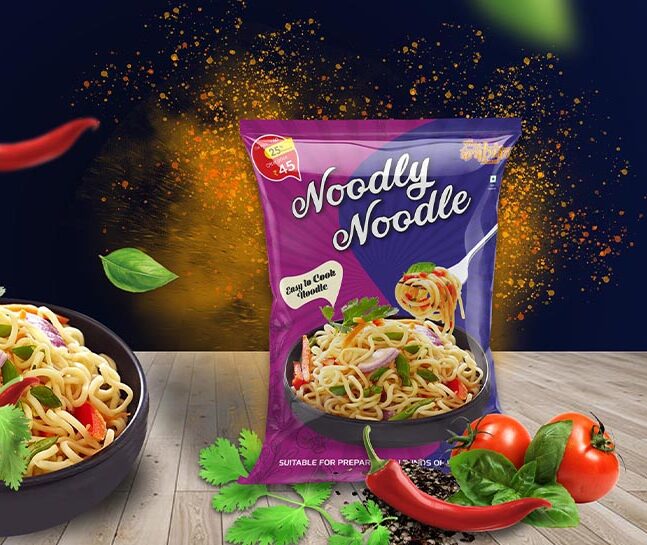
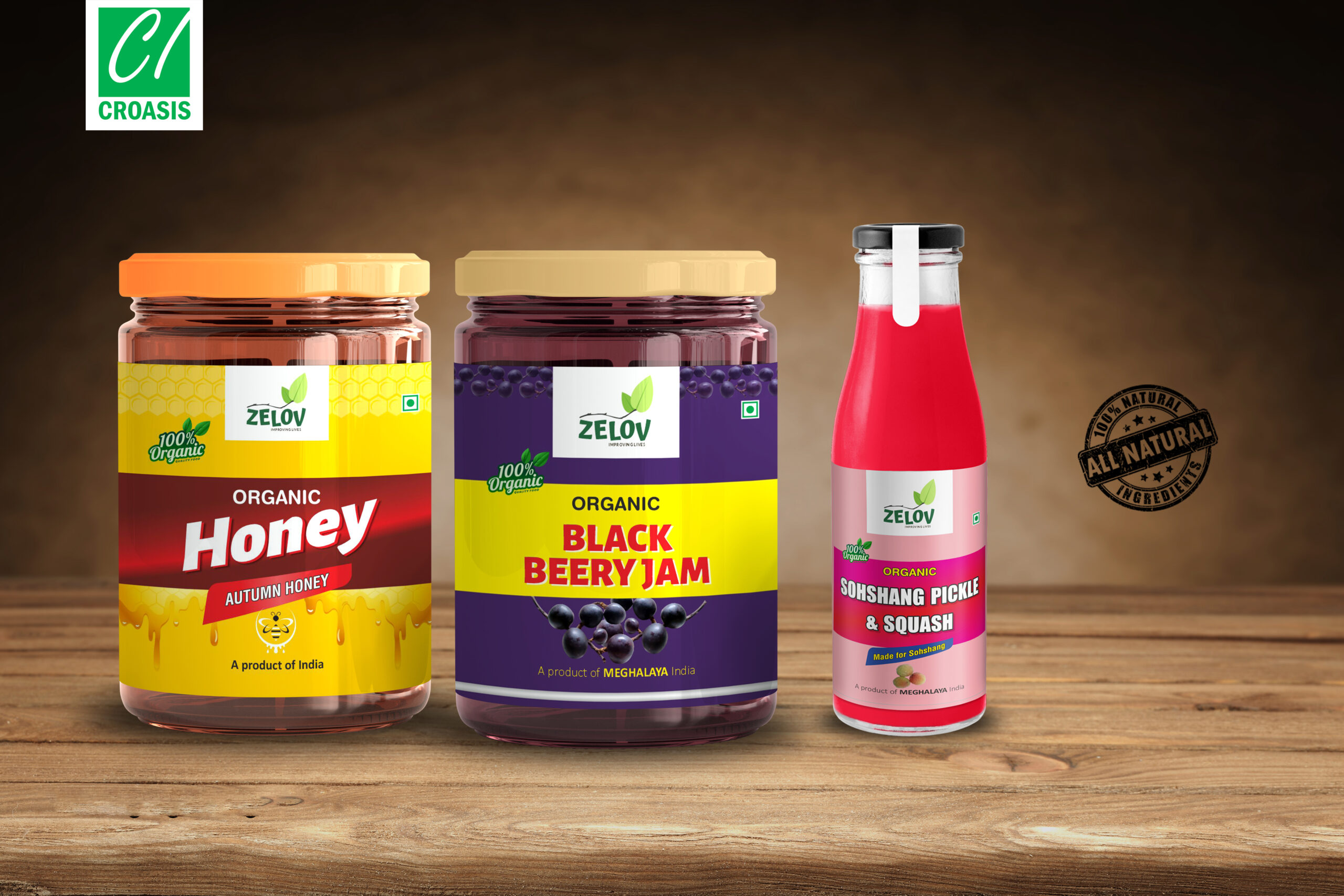
Packaging design is far more than just wrapping a product; it is one of the most powerful tools in shaping customer perception and influencing buying decisions. In today’s competitive marketplace, where countless products compete for attention on shelves and online platforms, packaging acts as the silent salesman. It not only protects the product but also communicates its value, quality, and identity before a single word is spoken.At its heart, packaging design is the visual and physical expression of a brand’s promise. It uses color, typography, imagery, and structure to tell a story about the product inside. A well-designed package immediately attracts attention, creates curiosity, and makes a product stand out from competitors. Think of the iconic red of Coca-Cola bottles, the minimal elegance of Apple’s packaging, or the sustainable kraft look of eco-friendly brands. Each of these examples shows how packaging can become an extension of the brand experience, influencing not only recognition but also emotion.
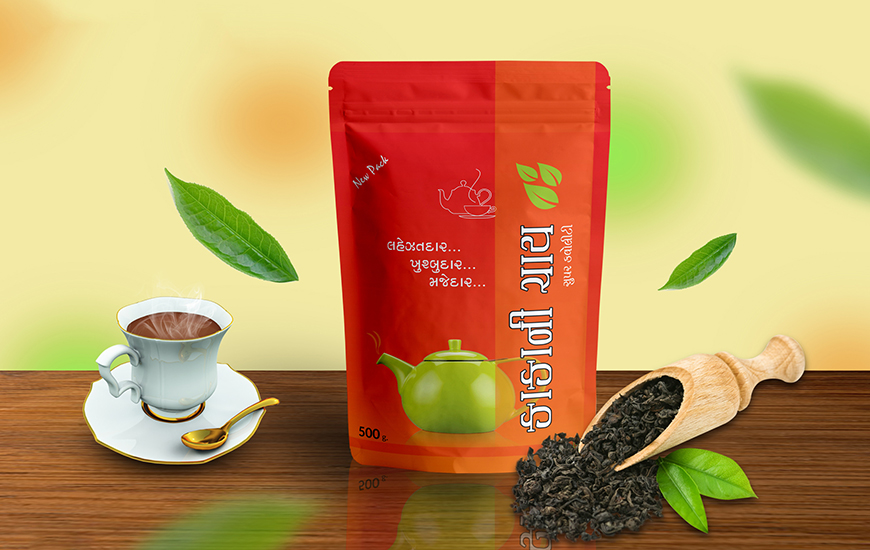
The importance of packaging design lies in its dual role: functional and emotional. Functionally, packaging must keep the product safe, fresh, and easy to use. It must be practical, durable, and suited to the product’s nature, whether that means keeping food hygienic or ensuring electronics remain undamaged. Emotionally, packaging serves as the first touchpoint between customer and product. A luxurious box can make an item feel premium, while eco-friendly materials can communicate responsibility and care. The psychology of colors, shapes, and materials plays a significant role in how consumers perceive the brand’s message and values.The process of designing effective packaging begins with research — understanding the product, its target audience, and the market it will compete in.
Different industries adopt different packaging strategies. Food and beverage companies often focus on freshness, convenience, and appetite appeal, while luxury brands emphasize exclusivity and elegance with refined finishes. Tech companies like Apple use minimal, sleek packaging that highlights innovation and simplicity, whereas eco-conscious brands often adopt recyclable or biodegradable materials to resonate with sustainability-driven consumers. Each decision in packaging design — from the thickness of paper to the opening experience — has the power to shape perception and build loyalty.
packaging design is not simply about covering a product but about presenting it in a way that builds connection, trust, and recognition. It bridges the gap between brand and consumer, transforming a simple product into a meaningful experience. The best packaging is functional, memorable, and emotionally engaging, ensuring that customers not only choose the product once but also return to it again and again. Just as a logo defines a brand’s visual identity, packaging defines how that identity is experienced in the real world.